In the 1960s, American rivers were so polluted that some of them caught fire. The Cuyahoga River in Ohio burst into flames in 1969. Smog made the air in cities like Los Angeles hard to breathe. Factories dumped chemicals into lakes and streams. Most people did not think about these problems. Wisconsin Senator Gaylord Nelson wanted to change that. He organized a national day of action for the environment. On April 22, 1970, an estimated 20 million Americans. About 10% of the entire population -- participated in the first Earth Day. Students cleaned up rivers. Communities planted trees. Thousands of people marched in city streets carrying signs about clean air and water. The result was dramatic. Within months, the U.S. government created the Environmental Protection Agency (EPA). Congress passed the Clean Air Act, the Clean Water Act, and the Endangered Species Act. Companies were no longer allowed to dump waste wherever they wanted. Earth Day showed that when millions of ordinary people demand change, the government listens. Today, Earth Day is celebrated in more than 190 countries. It remains the largest civic event in the world.
Today in Science
April 22, 1970
How did one day in 1970 change the way Americans treated the environment?
In the 1960s, American rivers were so polluted that some of them caught fire.
1 min read 4 words to know
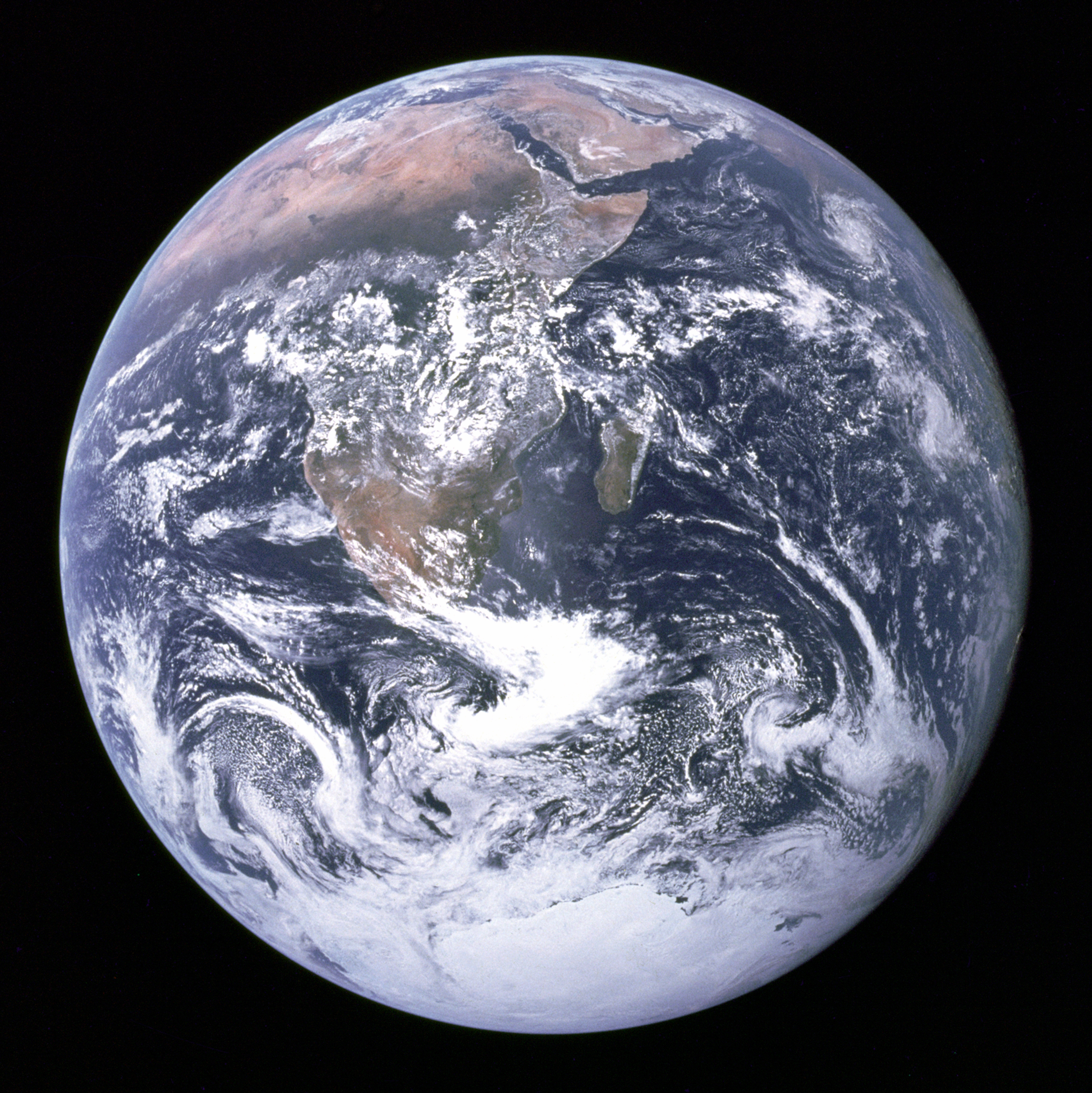
NASA / Apollo 17 crew / Public domain
Words to Know
polluted participated dramatic celebrated