In the late 1960s, the United States government wanted to build a network. A system that would let computers at different universities share information. The problem was that no one had done this before. The computers at each university spoke different "languages" and used different systems. How could they all communicate? On April 7, 1969, a young UCLA graduate student named Steve Crocker published a document called RFC 1. RFC stood for "Request for Comments." It was a set of rules for how computers could send and receive data. What made this document special was not just its technical content but its tone. Crocker wrote it as an invitation, not an order. He asked other researchers to share their ideas and improve the rules. This collaborative spirit became a core value of the internet. Within months, four universities were connected in a network called ARPANET. Researchers could send messages between California and Utah in seconds. Over the next two decades, the network grew from four computers to millions. The simple idea behind RFC 1. That machines need shared rules to communicate -- became the foundation of the internet we use every day.
Today in Science
April 7, 1969
How did a simple document written by a college student help create the internet?
In the late 1960s, the United States government wanted to build a network.
1 min read 4 words to know
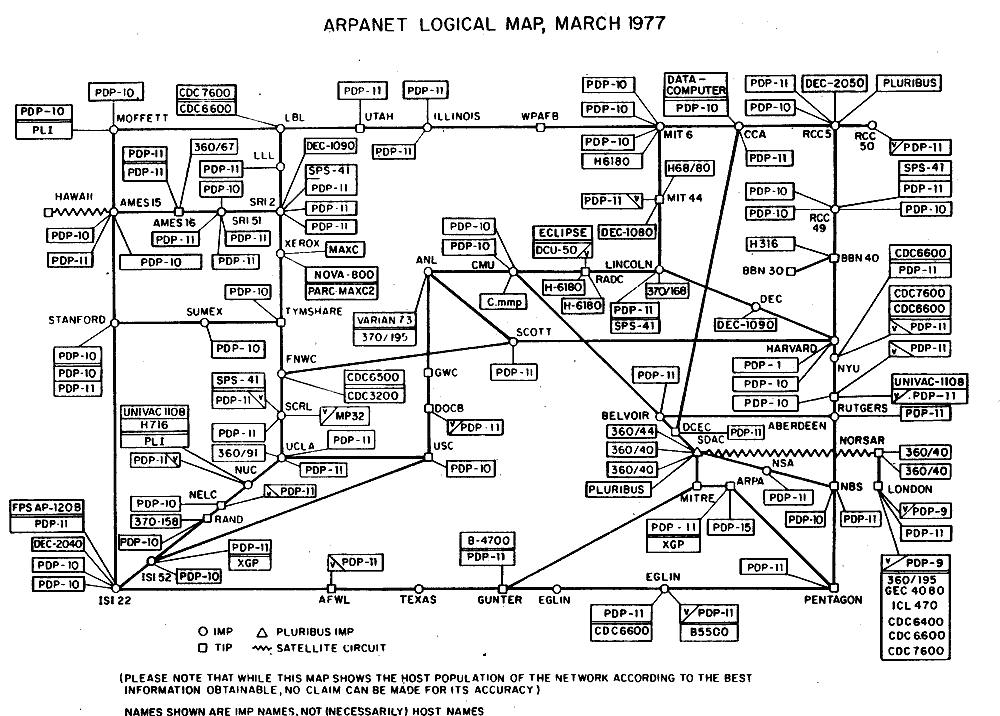
ARPANET / Public domain
Words to Know
network technical collaborative shared