The biggest ship in the world was crossing the Atlantic Ocean on its very first voyage, heading from England to New York. Then, on the evening of April 14, 1912, lookouts on the RMS Titanic spotted something terrifying: an iceberg directly ahead. An iceberg is a massive chunk of ice that breaks off from a glacier and floats in the ocean. Only about ten percent of an iceberg is visible above the water. The rest is hidden below the surface. The crew tried to turn the ship, but it was too late. The Titanic scraped along the iceberg's side. The impact tore open the ship's hull below the waterline. Water flooded into the lower compartments one by one. The ship had been designed so that four compartments could flood and it would still float. But six were damaged. There were only twenty lifeboats for over 2,200 passengers and crew. Many lifeboats launched only half full. Over 1,500 people died in the freezing North Atlantic water. The Titanic disaster led to major changes in maritime safety. New rules required enough lifeboats for everyone on board. An international ice patrol was created to track icebergs in the North Atlantic shipping lanes.
Today in Geography
April 14, 1912
Why couldn't the biggest ship in the world see the iceberg in time?
The biggest ship in the world was crossing the Atlantic Ocean on its very first voyage, heading from England to New York.
1 min read 5 words to know
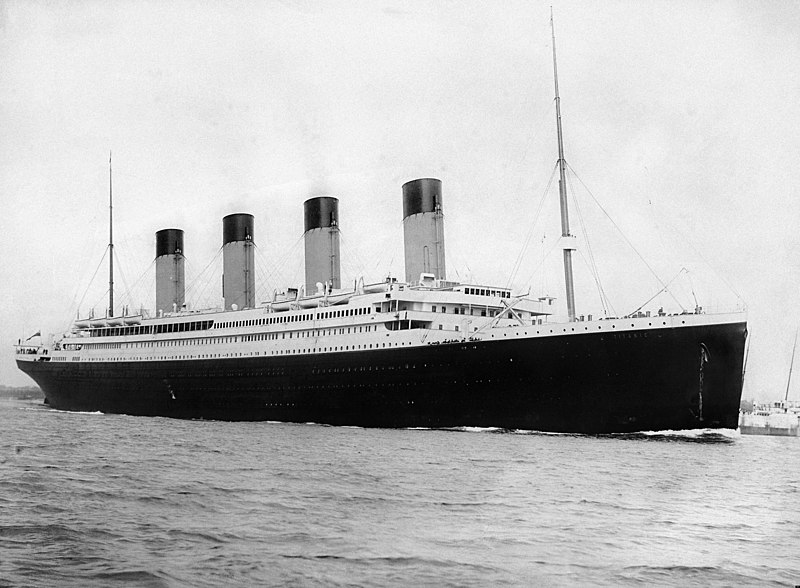
Wikimedia Commons / Public Domain
Words to Know
glacier compartments disaster maritime international