Most plays use elaborate sets, costumes, and props. Our Town by Thornton Wilder uses almost none. When it first opened in 1938, audiences were confused. The stage was nearly empty. There was no backdrop of a town. Actors mimed opening doors and eating breakfast with no real objects in their hands. A character called the Stage Manager narrated the story. He talked directly to the audience, which plays rarely did at the time. Wilder, born on April 17, 1897, designed the play this way on purpose. He wanted audiences to use their imagination instead of watching painted scenery. By removing the sets, he forced people to focus on the characters and their everyday moments. Our Town tells the story of Grover's Corners, a small New Hampshire town, over twelve years. The first act shows daily life. The second shows a wedding. The third act takes a surprising turn. A character who has died returns to relive one ordinary day from her past. She discovers that living people rush through life without truly appreciating its beauty. The play ends with her asking, "Do any human beings ever realize life while they live it?" Our Town won the Pulitzer Prize. It has been performed thousands of times in schools, community theaters, and professional stages around the world.
Today in ELA
April 17, 1897
Why is a play with no scenery one of the most performed plays in history?
Most plays use elaborate sets, costumes, and props.
1 min read 4 words to know
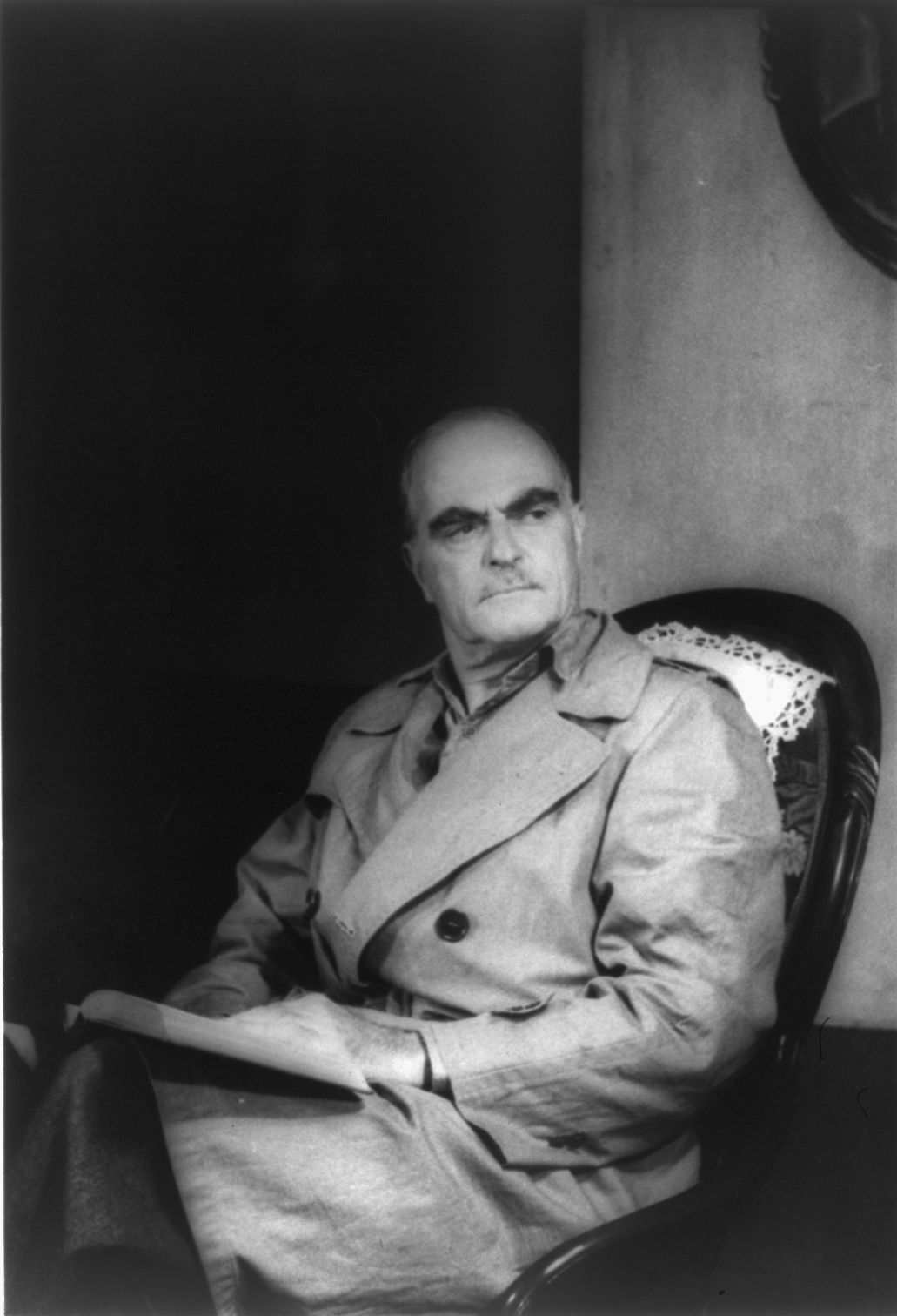
Carl Van Vechten, 1948 / Library of Congress, public domain, Wikimedia Commons
Words to Know
confused imagination surprising appreciating