When America became a new country in 1776, it shared a language with England. But Noah Webster believed that a new nation needed its own way of writing. He spent twenty-six years creating an American dictionary. On April 14, 1828, he published it with seventy thousand words. Before Webster, Americans and British people spelled the same way. Webster simplified many spellings. He changed words like "colour" to "color" and "centre" to "center." He also dropped silent letters, turning "musick" into "music." These changes made English more logical and easier to learn. Webster did not just list definitions. He studied twenty-six languages, including Hebrew, Greek, and Latin, to understand where English words came from. This made his dictionary more thorough than any before it. Webster also wrote a spelling book called the Blue-Backed Speller. It became one of the best-selling books in American history. For more than a hundred years, children learned to spell using Webster's book. Today, American English and British English still have different spellings because of his work. Every time you write "color" instead of "colour," you are following Noah Webster's vision for American English.
Today in ELA
April 14, 1828
Why did one man decide that Americans should spell words differently from the British?
When America became a new country in 1776, it shared a language with England.
1 min read 5 words to know
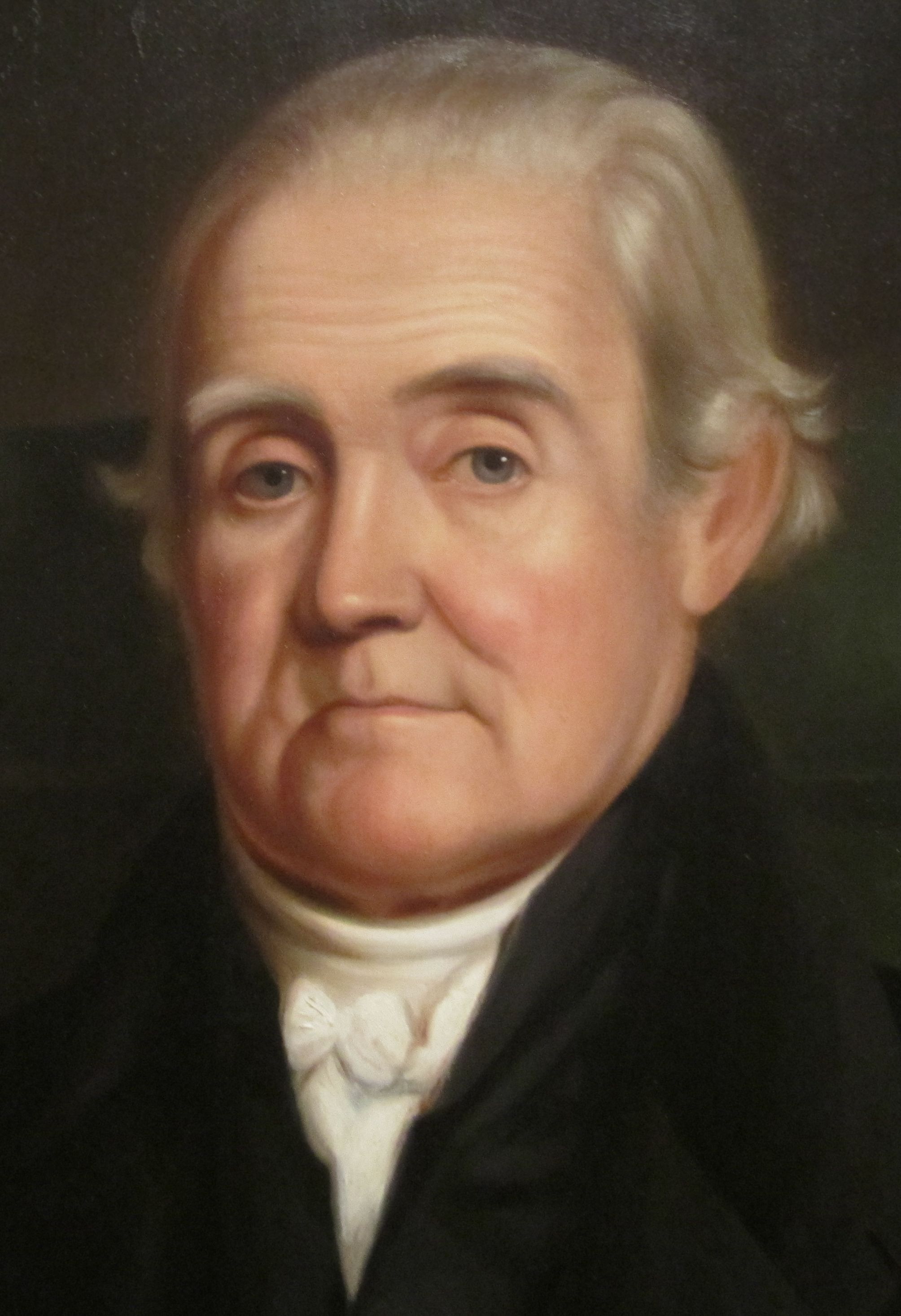
James Herring, 1833 / National Portrait Gallery, public domain, Wikimedia Commons
Words to Know
published simplified logical thorough vision