Most poets in the 1800s wrote about pretty things -- flowers, sunsets, and love. Charles Baudelaire, born on April 9, 1821 in Paris, France, thought that was too easy. He believed real beauty could be found in unexpected places. A busy city street, a rainy gutter, or even a feeling of sadness. Baudelaire grew up in Paris and fell in love with the city. He walked its streets at all hours, watching people and taking mental notes. He turned these observations into poems that shocked readers. His most famous book, *Les Fleurs du Mal* (The Flowers of Evil), was published in 1857. The title itself was controversial because it suggested that beauty and darkness could exist together. Several of the poems were banned by the French government for being too bold. Baudelaire did not just write differently -- he changed what poetry could be about. Before him, most poets described the natural world or told stories about heroes. Baudelaire proved that a poet could write about city life, loneliness, and complicated feelings. He showed that poetry did not have to be pleasant to be powerful. Today, Baudelaire is considered one of the founders of modern poetry.
Today in ELA
April 9, 1821
What if the most beautiful poem you ever read was about something ugly?
Most poets in the 1800s wrote about pretty things -- flowers, sunsets, and love.
1 min read 5 words to know
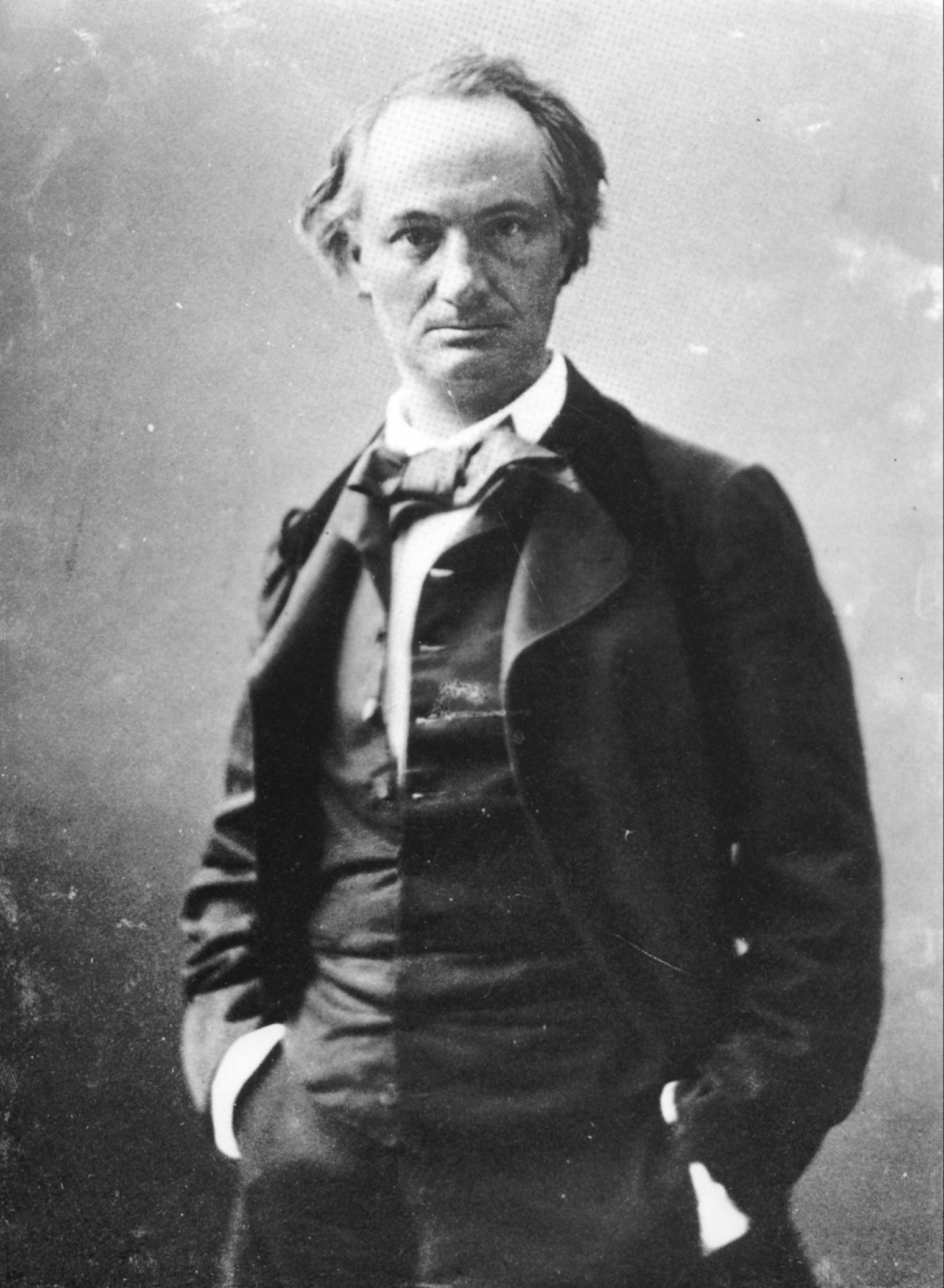
Felix Nadar, public domain, Wikimedia Commons
Words to Know
unexpected observations controversial natural powerful