Imagine walking along a lake and suddenly seeing thousands of golden flowers swaying in the breeze. That is exactly what happened to William Wordsworth. It inspired one of the most famous poems in the English language. Wordsworth was born on April 7, 1770, in the Lake District of England. A region of mountains, lakes, and green valleys. He grew up surrounded by natural beauty and spent most of his life walking through it. Most writers of his time focused on cities and wealthy people. Wordsworth believed that nature and ordinary life were the greatest subjects for poetry. His most famous poem, "I Wandered Lonely as a Cloud," describes a field of daffodils beside a lake. The poem captures the joy he felt watching the flowers dance in the wind. But the poem's real power comes at the end. Years later, whenever Wordsworth felt lonely, he could picture the daffodils. The memory filled him with happiness again. Wordsworth helped start a movement in literature called Romanticism. Romantic writers believed that feelings, imagination, and nature were more important than rules and reason. Wordsworth wrote that poetry should use the language of real people, not fancy words that only scholars understood.
Today in ELA
April 7, 1770
Why did one poet think a field of flowers was more important than a city?
Imagine walking along a lake and suddenly seeing thousands of golden flowers swaying in the breeze.
1 min read 4 words to know
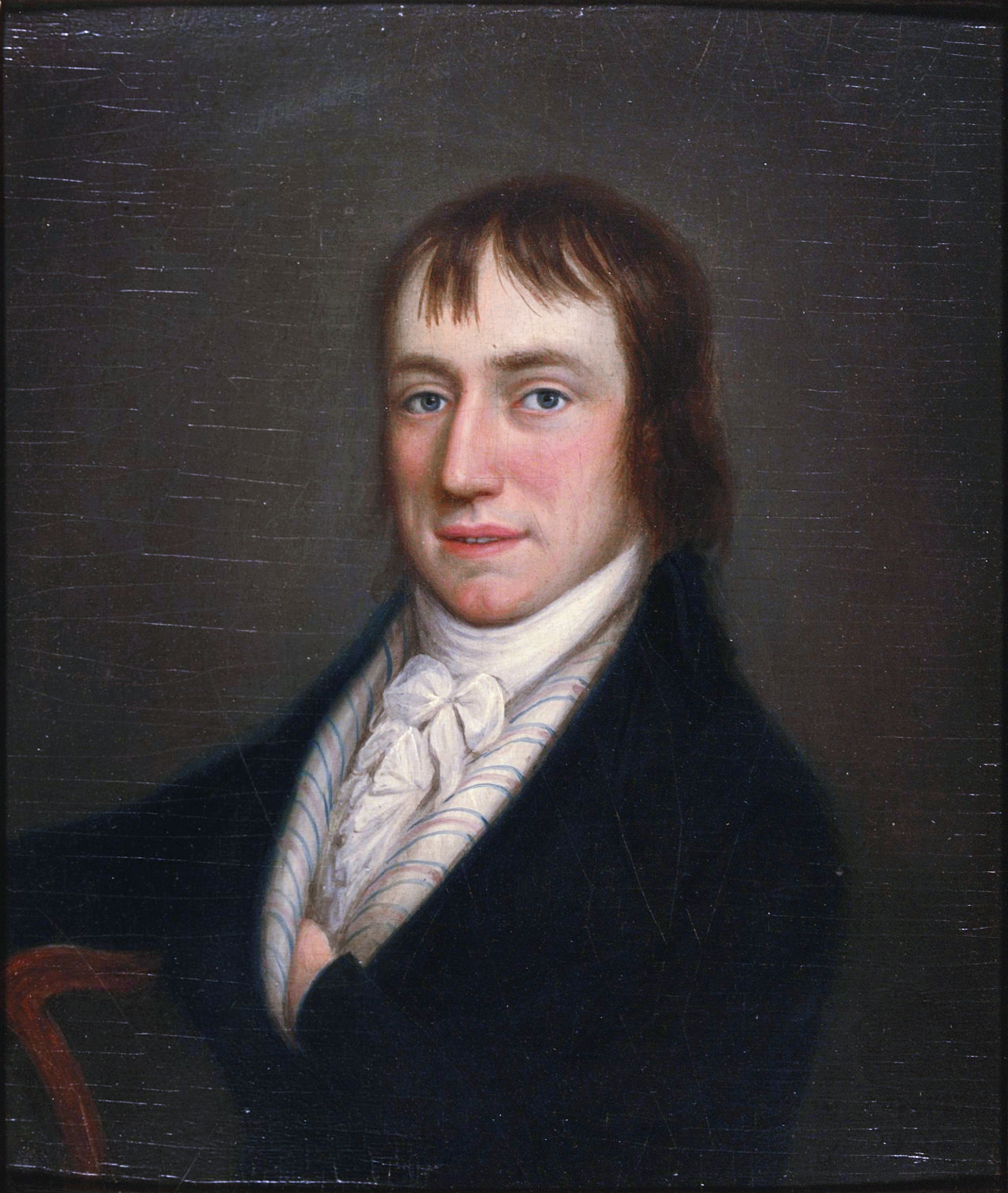
Public domain, Wikimedia Commons
Words to Know
inspired ordinary joy memory