Emile Zola, born on April 2, 1840, believed that writing should show life exactly as it is. Not prettier, not simpler, but real. He created a style of writing called Naturalism. His novels followed ordinary people: miners, factory workers, and farmers. He described their struggles with such detail that readers felt like they were standing right beside them. Zola wrote twenty novels in a single series called the Rougon-Macquart. Each book followed a different branch of one family across several generations. He researched every setting carefully, visiting mines, markets, and train stations to get the details right. But Zola's most famous piece of writing was not a novel. In 1898, he published an open letter called "J'Accuse" in a Paris newspaper. A French army officer named Alfred Dreyfus had been falsely accused of being a spy. He was sent to prison on a remote island. Zola's letter accused the army of covering up the truth. The letter caused an uproar. Zola was put on trial and had to flee France for a time. But the public attention his letter created eventually led to Dreyfus being freed. Zola proved that a writer's words could fight injustice as powerfully as any army.
Today in ELA
April 2, 1840
What happens when a famous writer uses his pen as a weapon for justice?
Emile Zola, born on April 2, 1840, believed that writing should show life exactly as it is.
1 min read 5 words to know
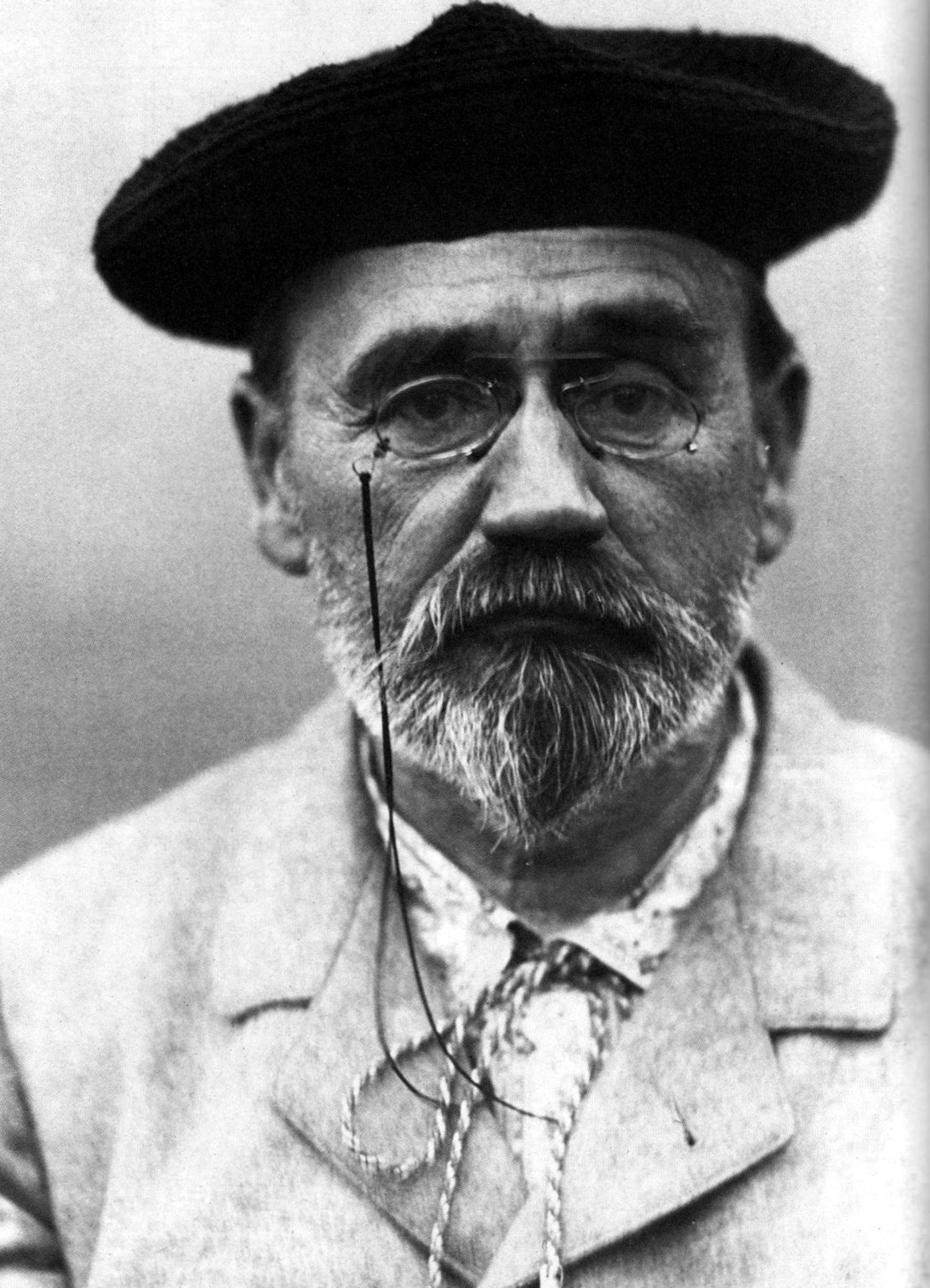
Public domain, Wikimedia Commons
Words to Know
Naturalism generations falsely uproar injustice